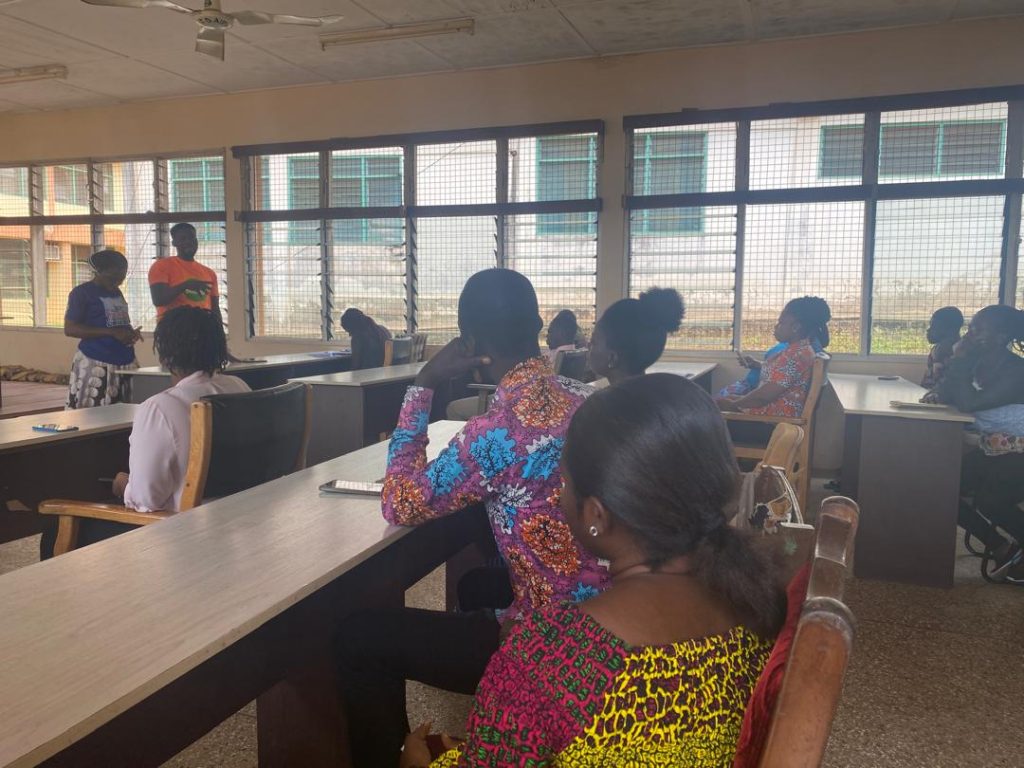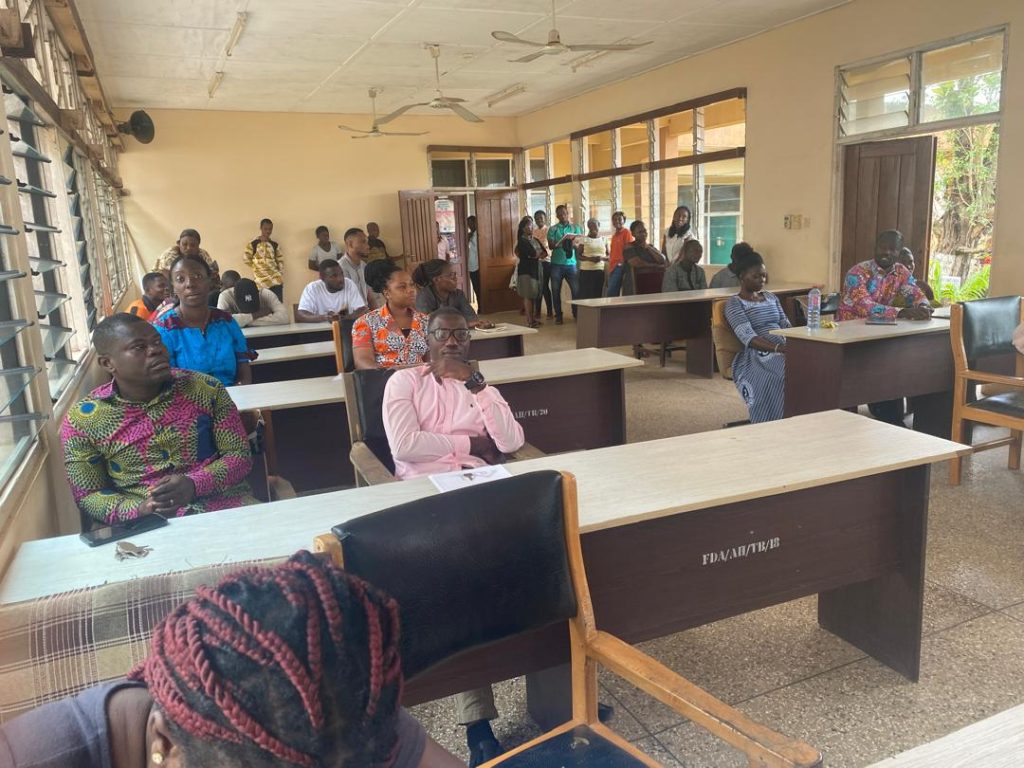
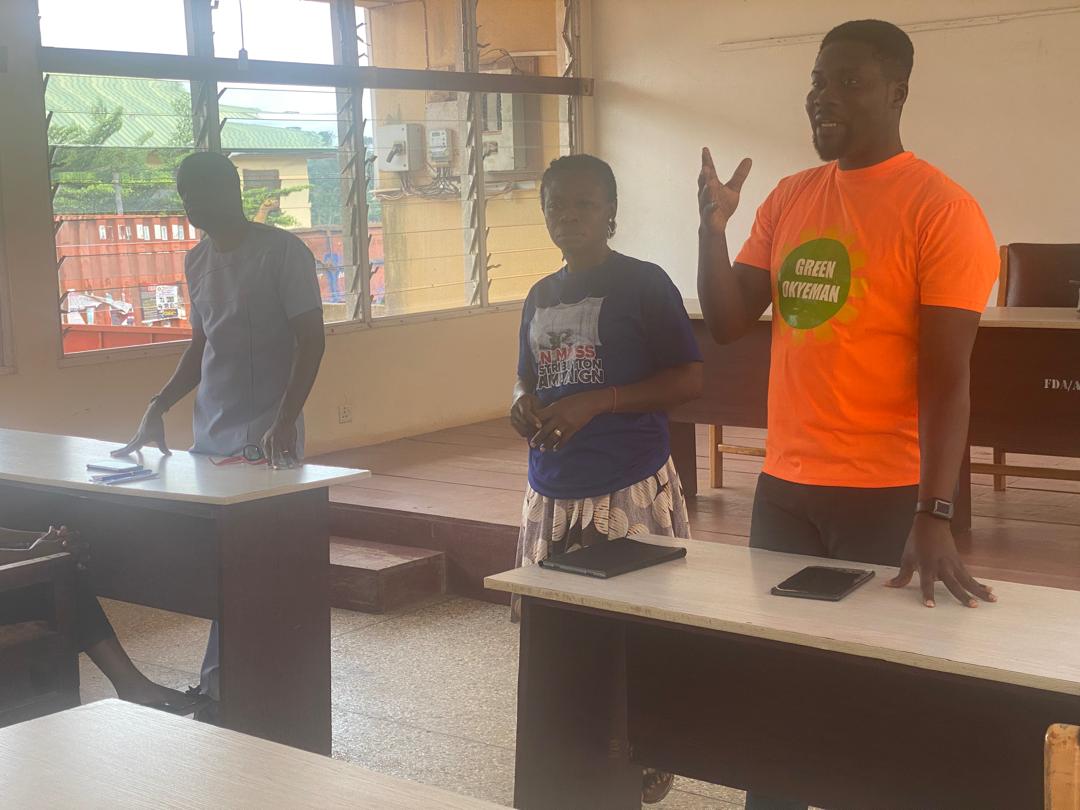
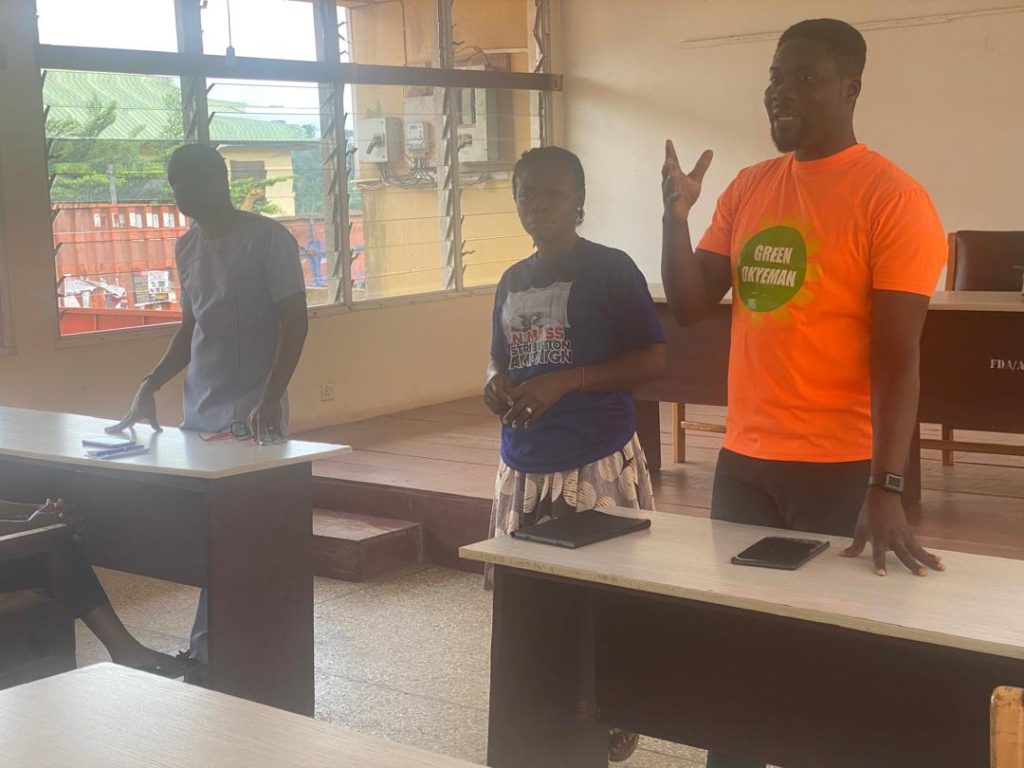
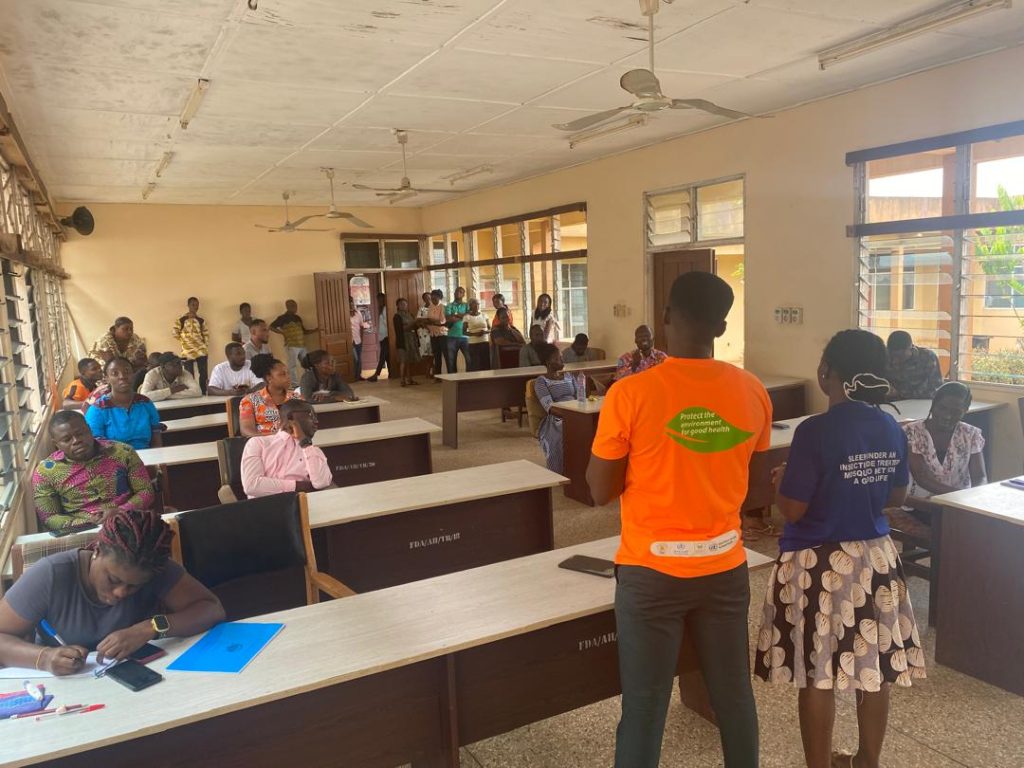
The Fanteakwa North District Assembly (FNDA) and District Health Directorate organize a sensitization programme at the Assembly Hall on Friday 26th July, 2024 to urged residents to take proactive measures to prevent the spread of dengue fever, emphasizing the importance of environmental cleanliness to curb the breeding of the Aedes mosquito. With health alert on Denque fever, the District to provide information to the public on the outbreak and the disease in general, what the Ministry of Health is doing to prevent and protect against introduction and spread against the disease, and what people should do to prevent getting infected by Dengue fever.
Dengue is an acute fever caused by a virus. It occurs in two forms namely:
1. Dengue Fever: presents as febrile illness marked by sudden onset of high grade fever, severe headache and pain behind the eyes, muscles and joints.
2. Dengue Haemorrhagic Fever (DHF): is a more severe form.
In addition to above, there is bleeding and sometimes shock occurs, leading to death. It is most serious in children. Symptoms of bleeding usually occur after 3-5 days of fever.
• The high fever continues for five to six days (39-40 Degrees Celsius). It comes down on the third or fourth day but rises again. The patient feels much discomfort and is very weak after the illness.
Dengue spreads rapidly and may affect large number of people during an epidemic resulting in reduced work productivity, but most importantly causing the loss of lives.
SIGNS AND SYMPTOMS (RECOGNITION) OF DENGUE FEVER
• Sudden onset of high fever
• Severe headache (mostly in the forehead)
• Pain behind the eyes which worsens with eye movement
• Body aches and joint pains
• Nausea or vomiting
SIGNS AND SYMPTOMS (RECOGNITION): DENGUE HAEMORRHAGIC FEVER AND SHOCK
• Symptoms similar to dengue fever as above, plus any one of the following:
. Severe and continuous pain in abdomen;
. Bleeding from the nose, mouth and gums or skin bruising;
. Frequent vomiting with or without blood;
. Black stools, like coal tar;
. Excessive thirst (dry mouth)
. Pale, cold skin
. Restlessness, or sleepiness